
Soluciones de filtración para petróleo y gas
El tratamiento del agua es esencial en toda la industria del petróleo y el gas, desde las fases previas hasta las posteriores.
El agua filtrada de alta calidad mejora el rendimiento de la producción, reduce los costes de producción y protege el medio ambiente de la contaminación.
Pullner ofrece soluciones integrales de filtración y separación para satisfacer sus necesidades de filtración en la industria del petróleo y el gas.
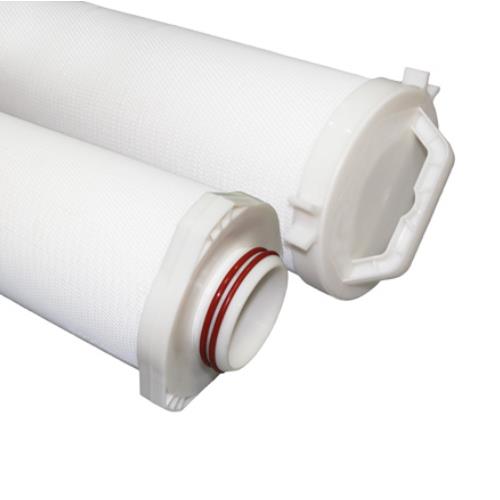
Soluciones de filtración para petróleo y gas
La filtración de agua se utiliza ampliamente en la industria del petróleo y el gas: Inyección de agua en yacimientos petrolíferos, filtración de agua de circulación de procesos, filtración de agua de refrigeración, desulfuración de líquidos aminados, separación y purificación de gas natural y refinerías de petróleo; purificación de fluidos en el proceso de producción de peróxido de hidrógeno, aceite lubricante, catalizadores, etc. y eliminación de partículas y filtración de productos químicos y aceites.
Los elementos filtrantes Pullner pueden eliminar las partículas de impurezas en el agua, mejorar la calidad del agua, aumentar la precisión de la inyección de agua en los yacimientos petrolíferos e incrementar la eficacia del desarrollo.
El agua industrial incluye principalmente agua de caldera, agua de proceso, agua de limpieza y agua de refrigeración, aguas residuales, etc. Para proteger el medio ambiente y ahorrar recursos hídricos, es necesario reciclar el tratamiento del agua. Pullner proporciona soluciones de filtración para eliminar la suciedad, los microorganismos y otras impurezas del agua, purificar la calidad del agua y alcanzar el estándar de reutilización.
El agua de refrigeración se utiliza ampliamente en muchas industrias, como centrales eléctricas, refinerías de petróleo e industrias químicas. Los contaminantes sólidos en el agua de refrigeración pueden dañar los equipos, reducir la productividad y aumentar los costes. Ofrecemos soluciones de filtración para eliminar contaminantes, garantizar la calidad del agua de refrigeración, proteger los equipos de la planta y ahorrar costes de producción y mantenimiento.
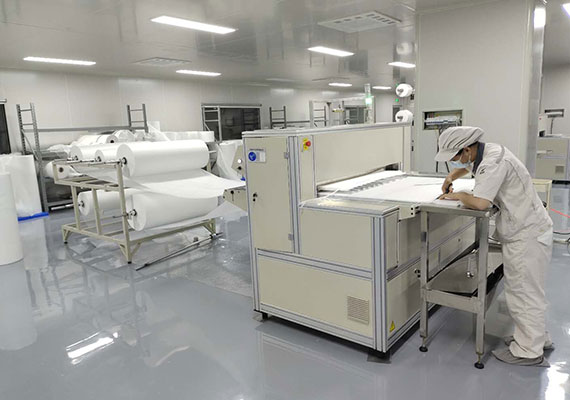
Por qué elegir filtros Pullner para la industria del petróleo y el gas
Más que un simple proveedor: somos su socio técnico en soluciones de filtración
Personalizar el servicio
De acuerdo con las diferentes aplicaciones y situaciones, Pullner proporciona soluciones de filtración personalizadas, garantizando agua de alta calidad para la producción industrial.
Asistencia técnica in situ
Pullner proporciona asistencia técnica in situ a los clientes, orienta la instalación y el uso del elemento filtrante in situ para atender mejor a los clientes.
Servicio posventa
Equipo profesional de servicio postventa, 24 horas de espera, respuesta rápida, asegurar que el problema de filtración de cada cliente se resuelva a tiempo.
Su socio de confianza en filtración
Soluciones de filtración fiables y adaptadas a sus necesidades de rendimiento, calidad y eficiencia.
Valorado con 4,1 | 5 Críticas TrustScore en


Salman
Recientemente he utilizado Pullner para soluciones de filtración de automoción, y estoy muy impresionado. Si busca soluciones de filtración para la fabricación de automóviles, Pullner es la empresa a la que debe acudir. Sus productos han mejorado drásticamente la eficiencia de nuestra línea de montaje. Muy recomendable.
Albert May
Pedimos filtros de grado electrónico para una pequeña tirada y las piezas que recibimos se ajustaban bien a las especificaciones. La comunicación fue sencilla y el plazo de entrega razonable. En general, el proceso fue lo suficientemente fluido para nuestras necesidades.
Preguntas frecuentes
Las unidades de aminas suelen necesitar un enfoque de dos etapas: un filtro de partículas para capturar el sulfuro de hierro, los productos de corrosión y las sales en los circuitos de aminas pobres y ricas, seguido de un filtro de carbón para hidrocarburos y productos de degradación. Para la etapa de partículas, tanto nuestros cartuchos plisados de alto caudal (PP o fibra de vidrio) como los cartuchos soplados por fusión funcionan bien; la elección correcta depende de la carga de suciedad, la temperatura y la frecuencia con la que desee cambiar los elementos. Díganos la velocidad de circulación, el tipo de amina (MEA, DEA, MDEA) y la temperatura de funcionamiento, y dimensionaremos la carcasa y le recomendaremos la clasificación en micras.
No hay una respuesta única: depende de la formación. Los yacimientos estancos con baja permeabilidad suelen requerir una filtración de 1-2 µm para evitar obstrucciones, mientras que las formaciones más permeables pueden tolerar de 5 a 10 µm. Nuestros cartuchos de alto caudal en configuraciones de 6″ × 40″ o 60″ se utilizan habitualmente en este caso porque la gran superficie plisada y el diámetro de 152 mm permiten que un solo elemento gestione los volúmenes típicos de los skids de inyección: menos cambios, menor espacio ocupado por la carcasa y menor presión diferencial a lo largo de la carrera.
El agua producida es un reto porque hay que tratar con arrastre de aceite, incrustaciones, arena y sólidos biológicos a la vez. Para la reinyección en alta mar o el vertido en superficie que debe cumplir los límites OSPAR/EPA, solemos suministrar carcasas de acero inoxidable (316L para resistir al cloruro) cargadas con cartuchos plisados de alto caudal como etapa de pulido aguas abajo de los hidrociclones o la flotación. Para el agua producida en tierra con destino a pozos de eliminación, funciona la misma configuración, a menudo con una etapa previa más gruesa aguas arriba. Adaptaremos los cartuchos a su contenido de aceite libre y a sus niveles de SST.
Sí, exactamente para eso están fabricados. Los cartuchos de malla sinterizada multicapa están fabricados en acero inoxidable 304 ó 316L sin aglutinantes ni adhesivos que puedan derramarse en el proceso. Tienen una clasificación de 3-100 µm, soportan altas temperaturas y fluidos corrosivos, y están diseñados para lavarse a contracorriente in situ en lugar de desecharse. Esto los hace muy adecuados para los gases de combustión del FCC de las refinerías, la recuperación de catalizadores en reactores de lecho fluidizado y de bucle de lodos, y tareas similares en las que los elementos desechables se consumirían con demasiada rapidez. Para servicios con temperaturas ácidas recomendamos 316L.
Los cartuchos de fusión por soplado son filtros de profundidad: retienen más suciedad en toda la pared del medio filtrante, lo que los hace rentables para cargas de sólidos más elevadas, fluidos con geles o gomas, o prefiltración antes de elementos más caros. Los cartuchos plisados de alto caudal se basan en la superficie, por lo que destacan cuando se necesitan caudales elevados con bajas caídas de presión y fluidos limpios: piense en la protección de tamices de mol, el pulido de productos finales de refinería o las etapas de partículas de aminas. Muchos operadores utilizan soplado de fusión como etapa de desbaste y plisado como pulido final. Si no está seguro de por cuál empezar, podemos ofrecerle un presupuesto para ambas.
Sí. Nuestras carcasas de filtros de acero inoxidable se fabrican bajo pedido en 304 ó 316L, con el tamaño adecuado para el caudal de diseño, la presión de funcionamiento, la temperatura y el estilo de cartucho que desee en el interior (de alto caudal, plisado, bobinado en cordón o soplado por fusión). Se utilizan en deshidratación por tamiz de mol, sistemas de alquilación y aminas en refinerías, deshidratación de condensados, secadores de tamiz molecular, fluidos de terminación, contactores de glicol, receptores de pigging en gasoductos y unidades de eliminación de mercurio. Envíenos las condiciones de la línea y le enviaremos un plano GA de la carcasa y una selección de cartuchos.
Sí. Nuestro cartucho de alto caudal es equivalente en dimensiones y rendimiento a los principales elementos OEM que se encuentran en los patines de inyección, agua producida y aminas: el mismo diámetro de 6″ (152 mm), extremo abierto único, flujo plisado de dentro a fuera y las mismas longitudes de 20/40/60 pulgadas. Si puede compartir el número de pieza OEM o una foto de la tapa del cartucho, confirmaremos la referencia cruzada y cotizaremos el equivalente.

Hable con nuestro experto en filtración
Póngase en contacto con nuestro equipo de expertos para obtener soluciones de filtración personalizadas
 English
  Spanish
  Arabic